

Which would be better for NJ: Permanent daylight saving time, or standard time?
It is that time of year. Leaves are changing. Temperatures are dropping. New Jerseyans are stocking up on Halloween candy. And getting ready for the big time change on Sunday, as Daylight Saving Time ends and we "fall back" to Eastern Standard time.
While we do gain an hour of sleep in this annual fall tradition, this is also the time of year the debate fires up about why Daylight Saving Time is necessary. The argument has been ongoing for years — if not decades — to eliminate the twice-annual time change, which since 1918 has disrupted circadian rhythms, alarm clocks, and automatic timers across the country.
But have you ever given thought to which time scheme we should stay on, if "Fall Back" and "Spring Forward" were cancelled? Should the wintertime Standard Time become the year-round standard? Should the summertime Daylight Saving Time be the new norm? Or maybe ... none of the above?

Such a decision, of course, could have massive implications on agriculture, energy consumption, human health, and more.
Let's do an objective comparison of sunrise and sunset times under each of three scenarios: 1.) The current flip-flopping scheme, 2.) Permanent DST, 3.) Permanent Standard Time. I think this will give some enlightening insight into what works and what doesn't under each system.
The following times are based on 2026 sunrise/sunset data for Trenton, sourced from https://www.timeanddate.com/sun/usa/trenton.
The Earliest Sunrise of the Year
Current System... 5:28 a.m. (June 11-16, EDT)
Permanent Daylight Saving Time... Still 5:28 a.m.
Permanent Standard Time... 4:28 a.m. (June 11-16)
As the Summer Solstice approaches, we get the longest days of the year, with about 15 hours of daylight. It is unsurprising that it is the time of year of the earliest sunrises. 5:30 is pretty early to have the sun shining through your window. 4:30 under permanent EST would be pretty ludicrous.
The Latest Sunrise of the Year
Current System... 7:27 a.m. (October 31, EDT, the day before Fall Back)
Permanent Daylight Saving Time... 8:21 a.m. (December 30-January 10)
Permanent Standard Time... 7:21 a.m. (December 30-January 10)
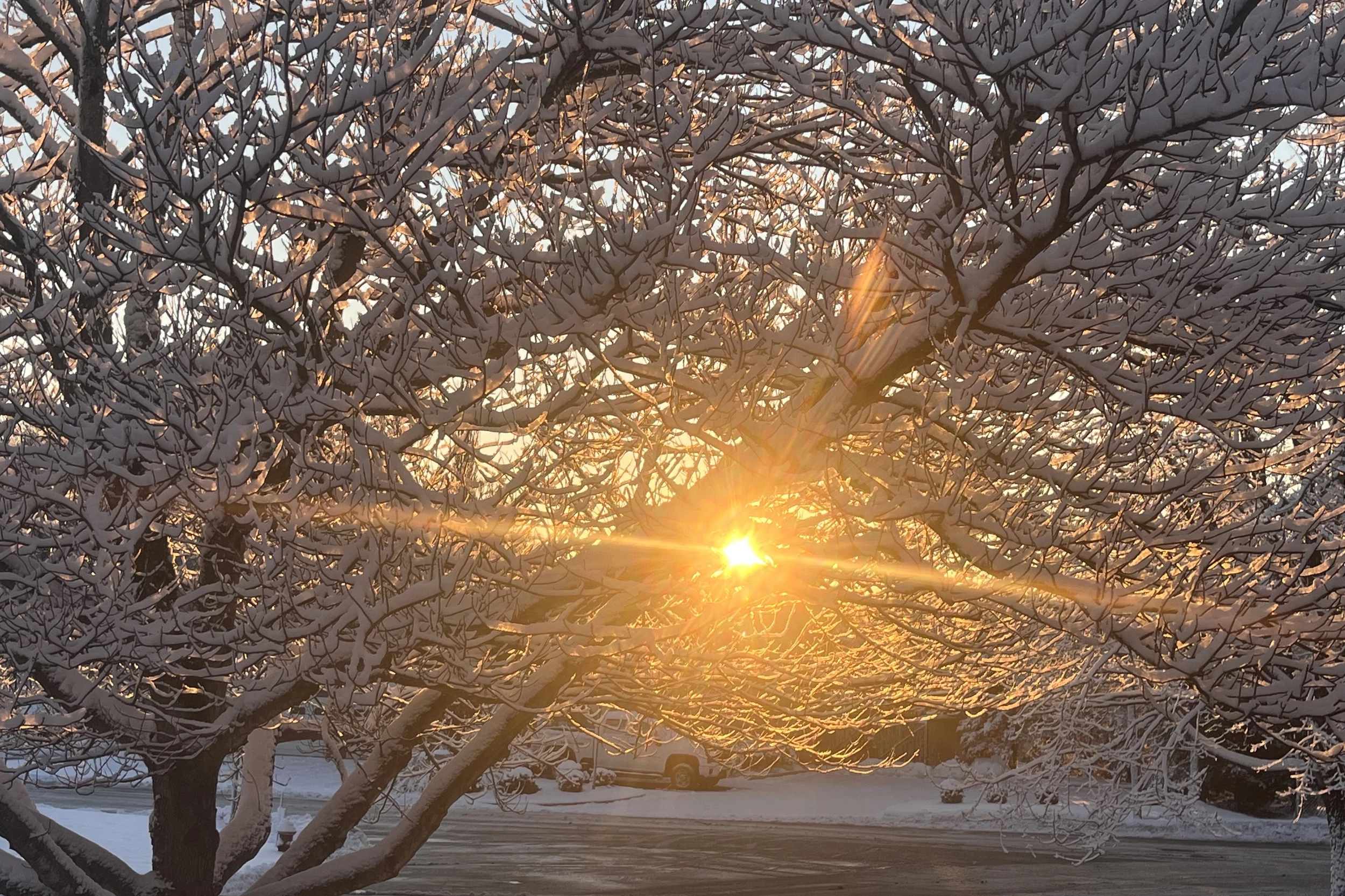
This statistic is tricky, because the Fall Back transition happens as the sunrise is still sliding toward its early winter maximum. The important factor here is that we do not want children walking to school or the bus stop in the dark, which is a concern in the dead of winter. Under the current system and under standard time, there is a solid window of time when sunrise would occur after 7 o'clock. However, this is where daylight saving time would work in the opposite direction as intended — and dare I say the greatest negative to adopting it. Sunrise at 8:21 a.m. is rather ridiculous.

The Earliest Sunset of the Year
Current System... 4:32 p.m. (December 5-10, EST)
Permanent Daylight Saving Time... 5:32 p.m. (December 5-10)
Permanent Standard Time... Still 4:32 p.m.
There is no gloomier sign of impending winter than those late afternoon pre-5 o'clock sunsets that come around in November and December. That is an effect of standard time. If we were to stay on DST, sunset would occur no earlier than 5:30 — much more reasonable, and allowing for the first part of the evening commute to complete before darkness settles in.
The Latest Sunset of the Year
Current System... 8:32 p.m. (June 21-July 3, EDT)
Permanent Daylight Saving Time... Still 8:32 p.m.
Permanent Standard Time... 7:32 p.m. (June 21-July 3)
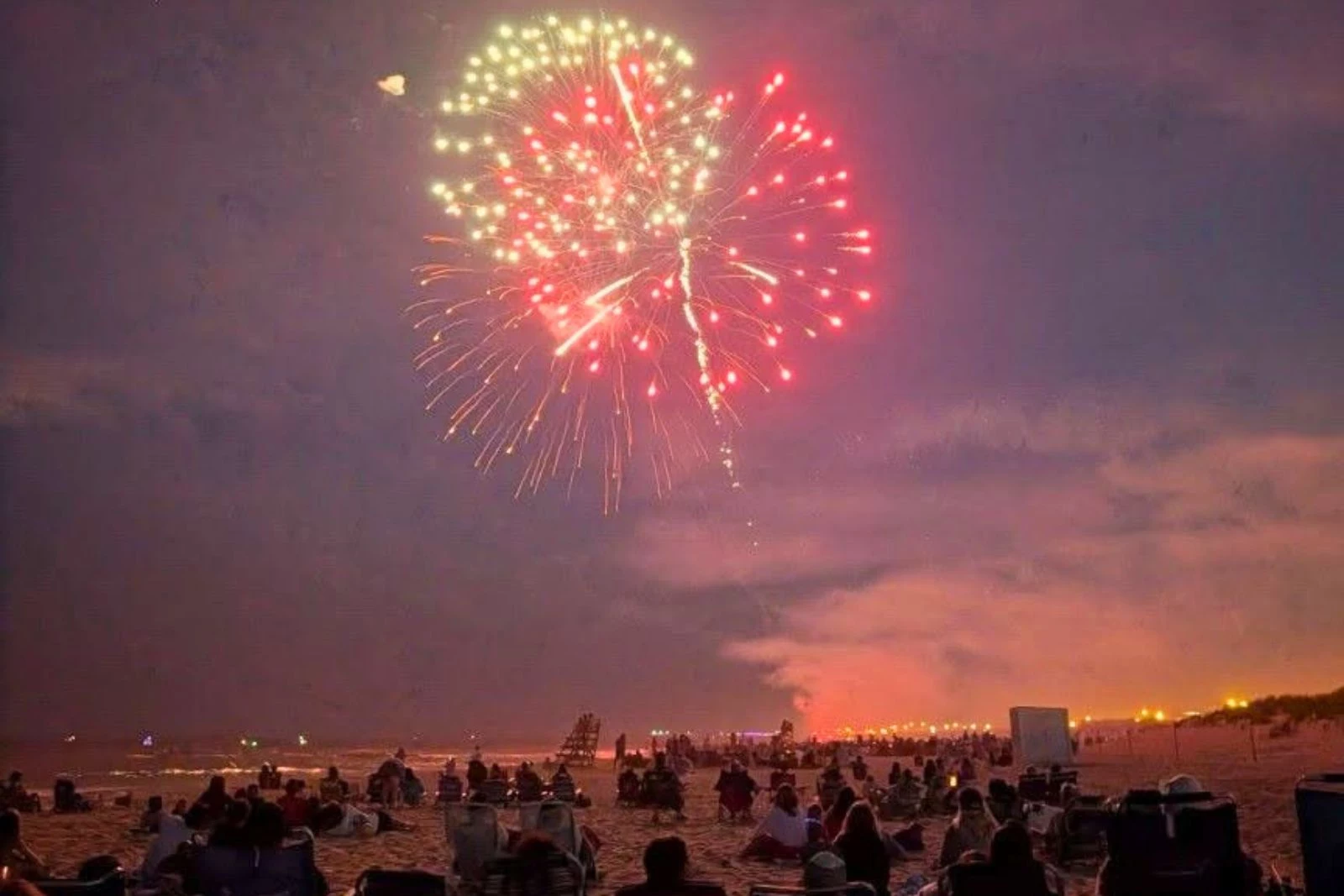
I love those summer days when the sun stays up late, allowing for outdoor activities to continue well into the evening. Currently, under daylight savings, the latest sunsets of the year happen between the first day of summer and the 4th of July right around 8:30. But standard time would keep sunset an hour earlier, around 7:30. Less time for that late night swim, pickup basketball game, or bike ride. But at the same time, allowing for an earlier start to fireworks, outdoor movies, and other nighttime festivities.
Conclusion
Just like most matters involving politics, economics, and science, this issue is exceptionally complicated.
And just like most matters in New Jersey, everyone has a different and very strong opinion on the matter.
Objectively, I think a case can be made for both switching to permanent Daylight Savings Time and to permanent Standard Time.
And I think there is a middle ground too. Some have suggested sliding the current time by a half-hour, creating a "best of both worlds" kind of situation where we capture the most optimal sunlight saving strategies without getting too absurd on either end of the day.
But you know what doesn't work? The current system of reminding everyone to flip their sleep schedule twice a year. No one thinks this is the best system, and I believe the data agrees.
Now let's see how many years — or decades — it takes to do something about it.
LOOK: What major laws were passed the year you were born?
Gallery Credit: Katelyn Leboff
Dan Zarrow is Chief Meteorologist for Townsquare Media New Jersey. Check out Dan's weather blog or follow him on Facebook for your latest weather forecast updates.
LOOK: The top small towns for taking in America's fall foliage
Gallery Credit: Stacker
